Iceland is built for walkers. You can spend a morning climbing toward a basalt ridge, an afternoon following a river to a waterfall, and still finish the day in hot geothermal water that seems made for tired legs. That last part matters more than most hikers expect. A calm soak after a long walk is one of the simplest ways to feel fresh again the next morning, and the country gives you more chances to do it than almost anywhere else. This is a gentle guide to recovering well in the water, so each day on the trail leaves you ready for the next.
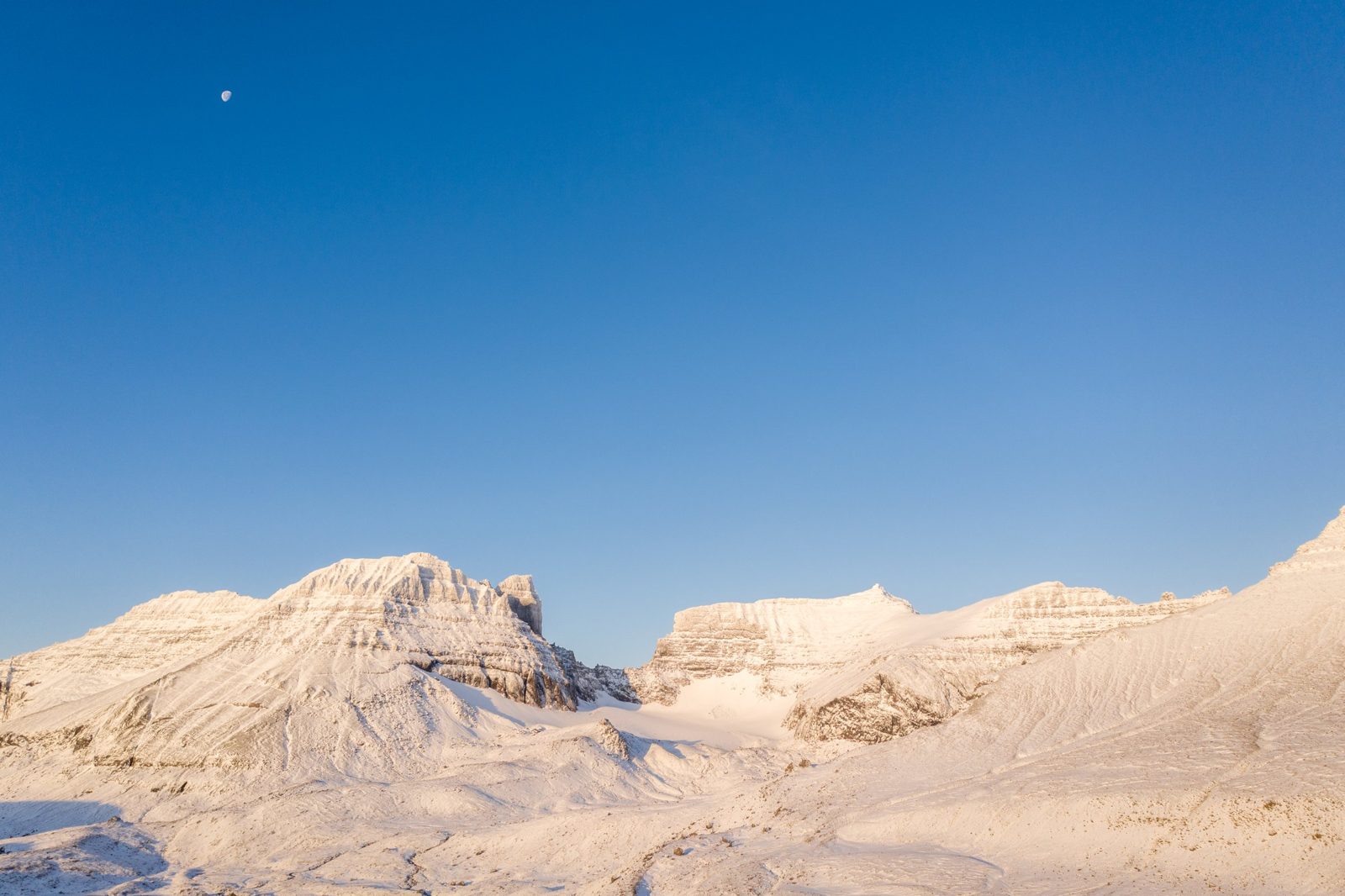
Why a soak helps tired legs
After a long hike your muscles are warm, worked and a little stiff. Sinking into hot water keeps that warmth going, helps you stay loose, and gives the whole body a reason to let go. Most walkers notice the same things: shoulders drop, breathing slows, and the small aches of the day soften into a pleasant heaviness. The water also makes you weightless for a while, which is a quiet relief for feet and knees that have carried you all day. None of this is a cure for a hard effort, but it is a kind and effective way to wind down, and it pairs beautifully with good food, plenty of water and an early night. For more on what the water does for body and mind, see our note on the health benefits of geothermal bathing.
Soak warm, then cool, then warm again
The most refreshing recovery ritual borrows from the old Nordic habit of contrast. You begin with a long hot soak to loosen everything, step into something cooler for a short, bracing moment, then return to the warm water to settle. Many lagoons build this rhythm in with a cold plunge or a cool pool beside the hot one, and a calm fjord or lake does the same job in the wild. Keep the cold part brief and the warm part generous, breathe slowly through the first cool shock, and finish warm so you leave relaxed rather than chilled. If the cold is new to you, our beginner guide to sea bathing and cold plunge walks through it step by step.
Where to finish a hike in warm water
Some of Iceland's best soaks sit right at the end of a walk, which makes them perfect for recovery. The steaming valley of Reykjadalur near Hveragerdi is the classic example: the hot river is the reward at the top of the trail, so the hike and the soak are one and the same. In the southern highlands, Landmannalaugar is the great hub of multi day walking, and its natural hot pool waits at the foot of the rhyolite hills for everyone coming off the trails. Out east, the wild highland spring of Laugarvellir rewards a remote drive and short walk with a hot waterfall you can stand beneath, a soak that feels genuinely earned. Closer to comfort, the floating pools of Vök Baths make an easy finish after a day in the Eastfjord mountains, and the gentle Secret Lagoon at Fludir is a soft landing after a Golden Circle walk.
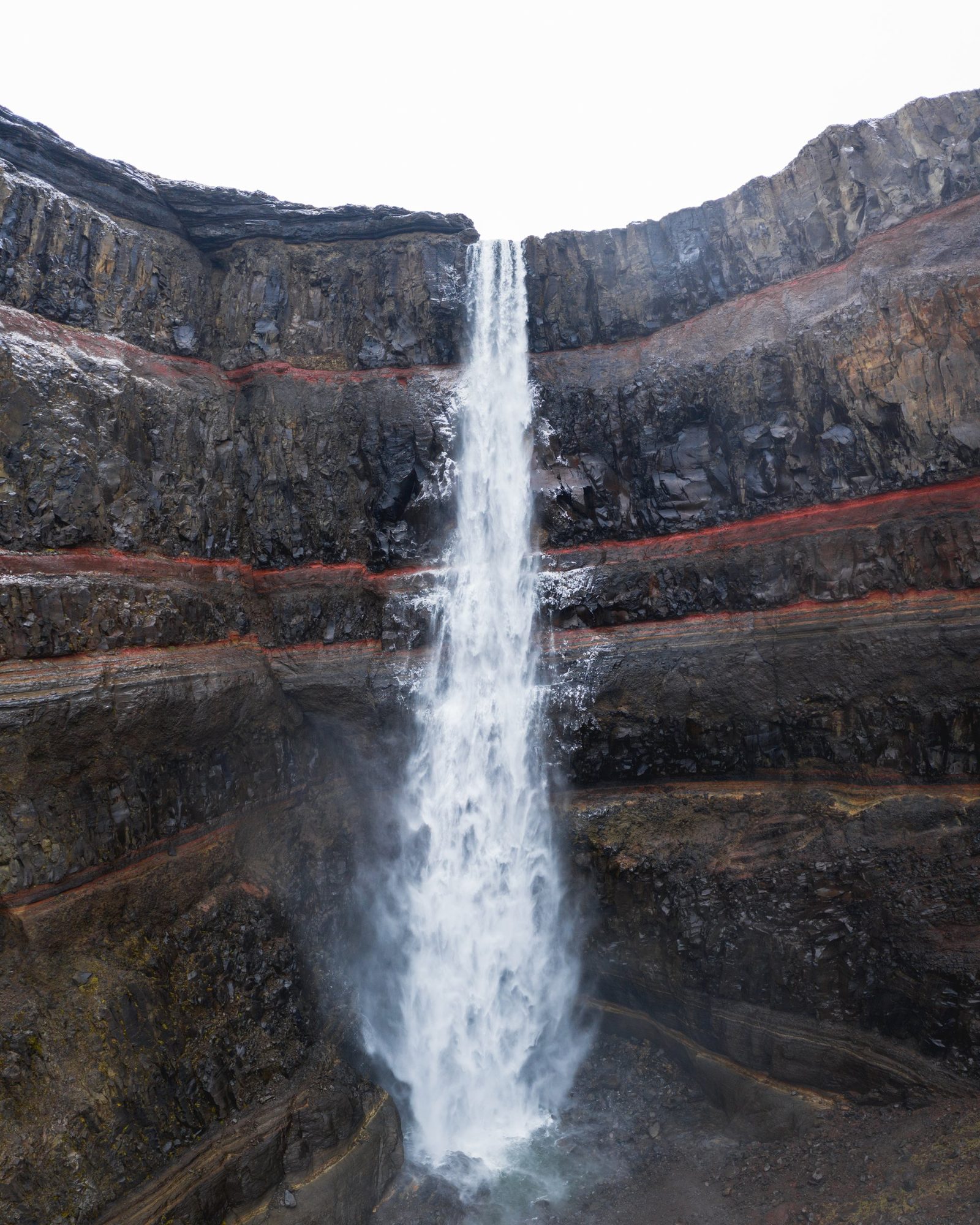
The hike earns the soak, and the soak makes the next hike possible.
How to soak for recovery
- Rinse and rehydrate first. A quick shower is good manners at any Icelandic pool, and a glass of water before you get in helps you feel better afterwards.
- Stay in long enough to fully relax, usually around 20 to 40 minutes of easy soaking with breaks to cool off.
- Move gently in the water. Slow stretches for calves, hips and shoulders feel wonderful and help loosen the day out of your legs.
- Keep the cold brief. A short dip is plenty, and you should always finish warm.
- Listen to your body. Step out if you feel light headed, and sit quietly for a few minutes before you dress.
- Eat and rest well after. A warm meal and an early night turn a good soak into a genuine recovery.
Walk by day, soak by evening
Base yourself among the Eastfjord mountains and let hot water close every day on the trail. Checkout is handled securely through Bókun.
See retreatsWant to keep going? Pair your walks with woodland calm in our note on forest bathing in Iceland, find your trailside pools in the guide to hot springs in East Iceland, or thread the best soaks together along the Ring Road wellness journey.